What Is Type 2 Diabetes?
Type 2 Diabetes Mellitus is a chronic metabolic disorder where the body either does not produce enough insulin or cannot effectively use insulin. This leads to high blood sugar levels, which over time can damage vital organs.
Symptoms
Many people may not notice symptoms initially. Common signs include:
- Increased thirst and frequent urination
- Excessive hunger
- Unexplained weight loss or weight gain
- Fatigue and weakness
- Blurred vision
- Slow-healing wounds
- Frequent infections
- Tingling or numbness in hands and feet
Causes and Risk Factors
- Insulin resistance
- Family history of diabetes
- Overweight and obesity
- Sedentary lifestyle
- Unhealthy diet high in refined carbohydrates
- Age above 35 years
- History of gestational diabetes or PCOS
Diagnosis
Diabetes is diagnosed using blood tests such as:
- Fasting Blood Sugar
- Postprandial Blood Sugar
- HbA1c test
- Oral Glucose Tolerance Test (OGTT)
Treatment
Treatment focuses on controlling blood sugar and preventing complications:
- Lifestyle modification (diet and exercise)
- Oral antidiabetic medications
- Injectable therapies including insulin (if required)
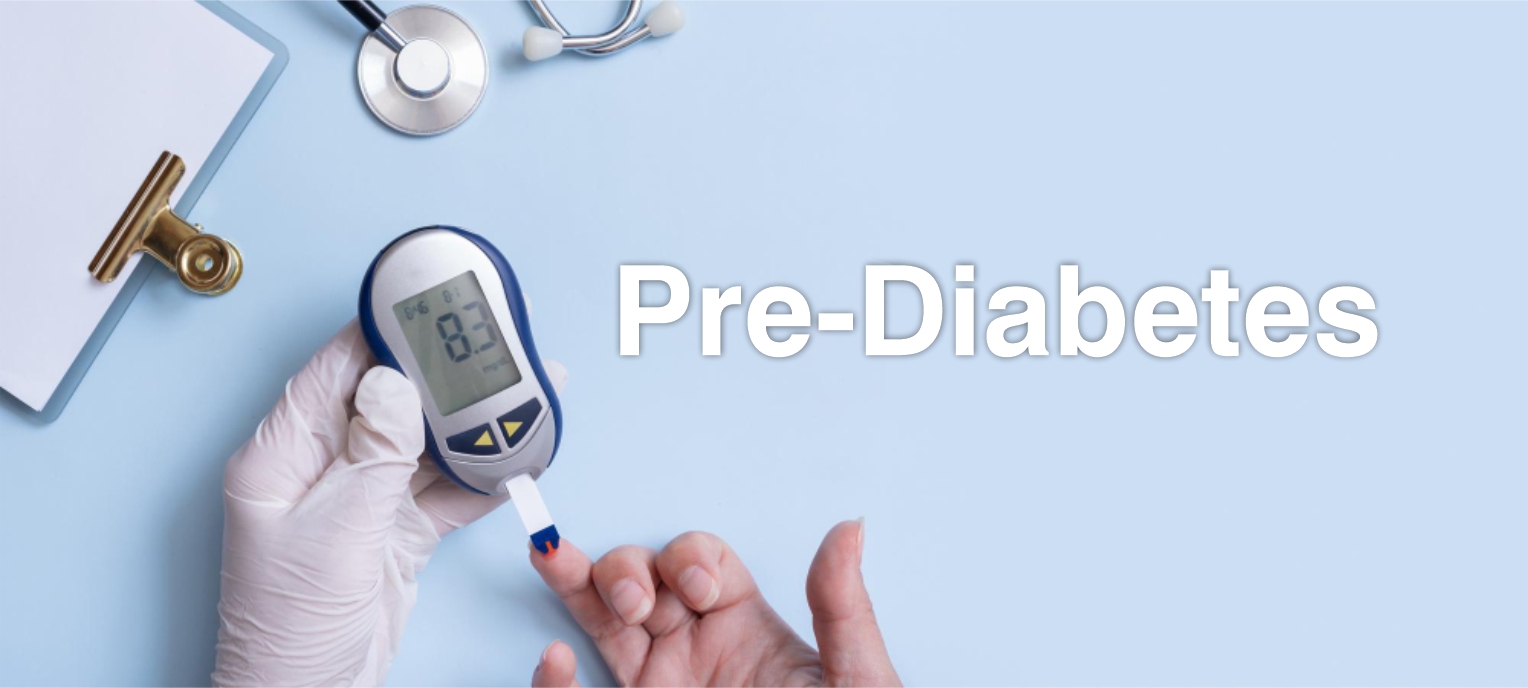
- Regular blood glucose monitoring
Prevention
- Maintain healthy body weight
- Exercise at least 30 minutes daily
- Eat a balanced, fiber-rich diet
- Avoid sugary drinks and processed foods
When to See a Doctor
If you experience persistent symptoms or have a family history of diabetes, consult a diabetologist early for screening and management.